Disability Justice Organizers Are Creating the Liberatory Future We All Deserve
Organizers share where they find hope in the struggle for disability justice as we go into the second year of Trump 2.0.
Since Donald Trump marched back into the White House in January 2025, his administration has waged an all-out war on disabled people. Trump has issued executive orders rolling back civil rights protections, slashed funding for vital services and support, and advocated for legislation that would ramp up institutionalization.
The administration’s actions reflect the cruel and dehumanizing language it uses to speak about disabled people, who comprise more than a quarter of the nation’s population: One February 2025 executive order characterized children being diagnosed with autism or ADD/ADHD as “a dire threat to the American people and our way of life,” while, according to a memoir by Trump’s nephew, the president thinks some disabled people “should just die.”
Trump’s second-term assault on the disability community comes as many continue to shoulder the effects of the COVID-19 pandemic, which has disproportionately killed disabled and aging Americans, worsened the nation’s care worker shortage, and left at least 20 million people ill or disabled with long COVID. Rather than commit to plugging gaps in the nation’s public health system and preparing for future crises, Secretary of Health and Human Services Robert F. Kennedy Jr. is implementing an extremist anti-science agenda that public health experts have warned “endanger[s] every American’s health.”
Truthout asked several disability justice advocates and organizers from across the U.S. to explain what’s at stake for disabled people in Trump’s attacks on voting rights, education, the climate and Indigenous land stewardship, health care, and trans rights. They also shared where they’re finding hope and how you can join the struggle for disability rights and justice as it continues into the second year of Trump 2.0.
The responses below have been edited and condensed for clarity.
Paid subscribers make my reporting possible. Consider joining them:
Sarah Blahovec, disability civic engagement expert and author of The Accessible Voting Booth:
Attacks on voting rights are undeniably escalating under this administration. To counter the attacks, voter education is going to become more important than ever, particularly when it comes to state election law. We also need to mobilize to support those working outside of an electoral system and a government that is failing us — disabled people’s lives are on the line. We need to focus on supporting those who have never been properly supported (and have often been actively targeted by our government) who are facing extreme threats — including disabled immigrants, queer and trans people, incarcerated people, and people of color.
I’m motivated and inspired by community members who come together to take care of each other, from local mutual aid to efforts like ICE Out of Alexandria, where I live, which is organizing against our sheriff’s voluntary collaboration with Immigration and Customs Enforcement (ICE). I want to see these local movements grow, and I’m encouraged by how they have drawn on the lessons of disability justice. I’d like to see more cross-movement collaboration in 2026, where we can learn from and support each other, because we’re going to need each other to survive this. I hope that we can someday shift from defending our rights and our existence to dreaming up new systems that create lasting change and liberation for all of us.
Alex Green, advocate and author of A Perfect Turmoil: Walter E. Fernald and the Struggle to Care for America’s Disabled:
It has been a fight to emerge from more than a century of simply sending disabled kids into massive institutional state schools that resembled concentration camps and finally provide them with the education that they have a right to enjoy. Just at a moment where we absolutely could have fully emerged from that if we wanted to, we’ve chosen instead to roll back long-standing civil rights provisions and turn around and wholly embrace a backslide. Without support to prevent the abuse of disabled kids and without funding to ensure that they have a place in mainstream public school classrooms, they are going to be segregated. It’s not hyperbole to say that disabled kids will be abused, and some disabled kids will die in a system built that way.
For folks who care about disabled kids and want to support their equal education in schools, look around your neighborhood and your local community, find disabled people who are leading efforts, and start advocating like hell.
It’s not going to do everything, but this is a moment that calls for humanity and rejects the model that we’ve seen fail in recent years of bureaucratizing the lives of disabled people. That’s what has brought us to the place where we’re so vulnerable to the monstrous ideologies of Trump and Kennedy. Instead, this is a moment where we need folks to step forward and stand with disabled kids and their parents and say, “We’re going to hold you tight, and we’re going to make sure that this system does not cast you out.”
Johnnie Jae, disabled Indigenerd and founder of Red POP! News:
Trump’s second term has intensified the same patterns that created a crisis that is not simply climate change, but the combined impact of colonialism, environmental racism, and ableism. The result is a cycle of harm that hits Indigenous and disabled people first, and in many cases, hits us hardest. When Indigenous governance is pushed aside, ecosystems lose the caretakers who kept them healthy for generations. When disabled people are excluded from planning, disaster becomes a test of luck instead of a shared commitment to survival. These patterns have always been with us, but they are now unfolding in a moment when the planet cannot absorb any more harm.
This moment calls for us to change how we think about preparation and prevention. We can’t rely on the government, but we can invest in local and Tribal responses, accessible communication networks, and practices that restore the land instead of exploiting it. When we strengthen Indigenous stewardship and disability-centered care simultaneously, we create communities that are resilient in ways the federal government has never been. I hope the disability justice movement continues to root itself firmly in the understanding that we are part of the land and not separate from it. Disabled people, and especially disabled Indigenous people, have knowledge that is vital to the future we are trying to build.
Dom Kelly, co-founder, president, and CEO of New Disabled South:
We’re seeing so much of the infrastructure for the enforcement of civil rights law being destroyed and Medicaid being defunded in such an enormous way that millions of people will lose health care. We have organizations doing advocacy, trying to stop bad policy or make bad policy less bad, but that can only go so far, given the makeup of Congress and the fact that this administration doesn’t care whether what they’re doing is right or wrong or who it will hurt. Systems are crumbling, and the same old strategies are not going to work. We have to be willing to do things radically differently.
Mutual aid and community care feel like the strategies we need to prepare and meet the ongoing struggle. The people who are going to be most harmed are queer and trans disabled folks, Black and Brown disabled folks, disabled migrants, and disabled undocumented folks. We need to understand the intersections of these systems and how they harm people, and we need to work across movements. We know that every issue is a disability issue, and disabled people are part of every community. My hope heading into the new year is that we can build more solidarity across movements as we show up, organize, and care for each other in our communities.
Arielle Rebekah, disabled trans activist and communications strategist:
We’re seeing an escalation of similar policies that we’ve seen over the past hundred years, and I think the big thing that undergirds attacks on both trans people and disabled people is eugenics in a broad sense of not just scientific policies, but socio-economic, cultural influences removing both disabled and trans people from public life and putting us in harm’s way. Countering these policies, I think, looks like continuing to educate our communities about trans and disabled lives. It looks like civil disobedience, in the sense of teachers, doctors, et cetera, being willing to push back vocally against policies that are negatively impacting trans students or removing care for trans people, even if that means a personal risk. Adults defending trans kids and taking on those personal risks is going to be critical.
I’m drawing hope from disabled and trans people continuing to fight, survive, and thrive despite everything that’s happening. There are so many brilliant voices and brilliant people who are continuing to live our truths, refuse to be erased, and refuse to hide even when it puts us in harm’s way, and I believe that’s what it takes to create the future that we all deserve. I believe that because of that, we will create the future that we all deserve.
Where do we go from here?
We can expect the government’s attacks on vulnerable communities to continue this year, including a continued stripping away of what little support systems have historically existed to protect disabled and aging Americans. Meanwhile, grief over the loss of that support and the resulting increasing violence and number of premature deaths in marginalized communities threaten to become overwhelming.
Faced with this overwhelm, disability justice advocates told Truthout that it is becoming more important than ever for individuals to organize in their communities, develop relationships with neighbors, and find ways to support one another. Wherever you decide to plug in this year, these advocates hope you will do so with this lesson in mind: The struggle for disability justice intersects with the fights for racial and climate justice, safety for our immigrant neighbors and trans siblings, and a dignified life for all people. By organizing across movements, we can build the liberatory future we all deserve.
This story was originally published by Truthout.
 Marianne Dhenin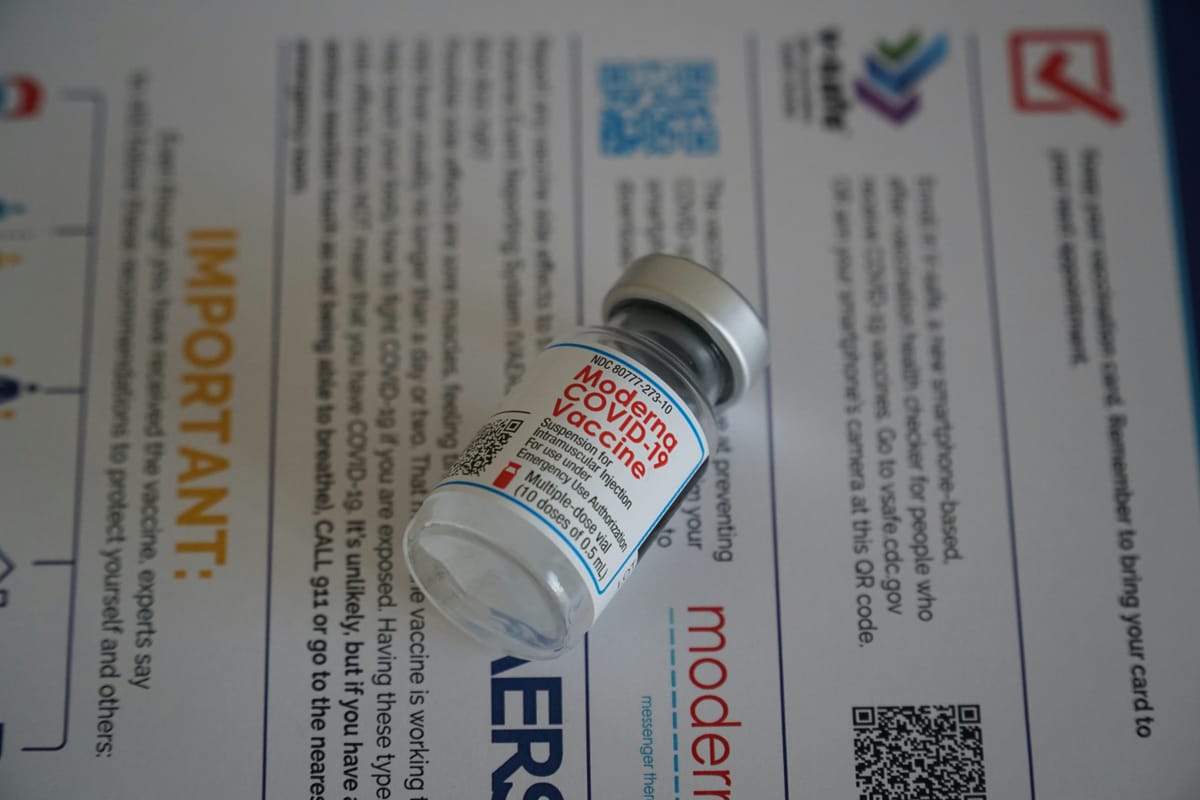
 Marianne Dhenin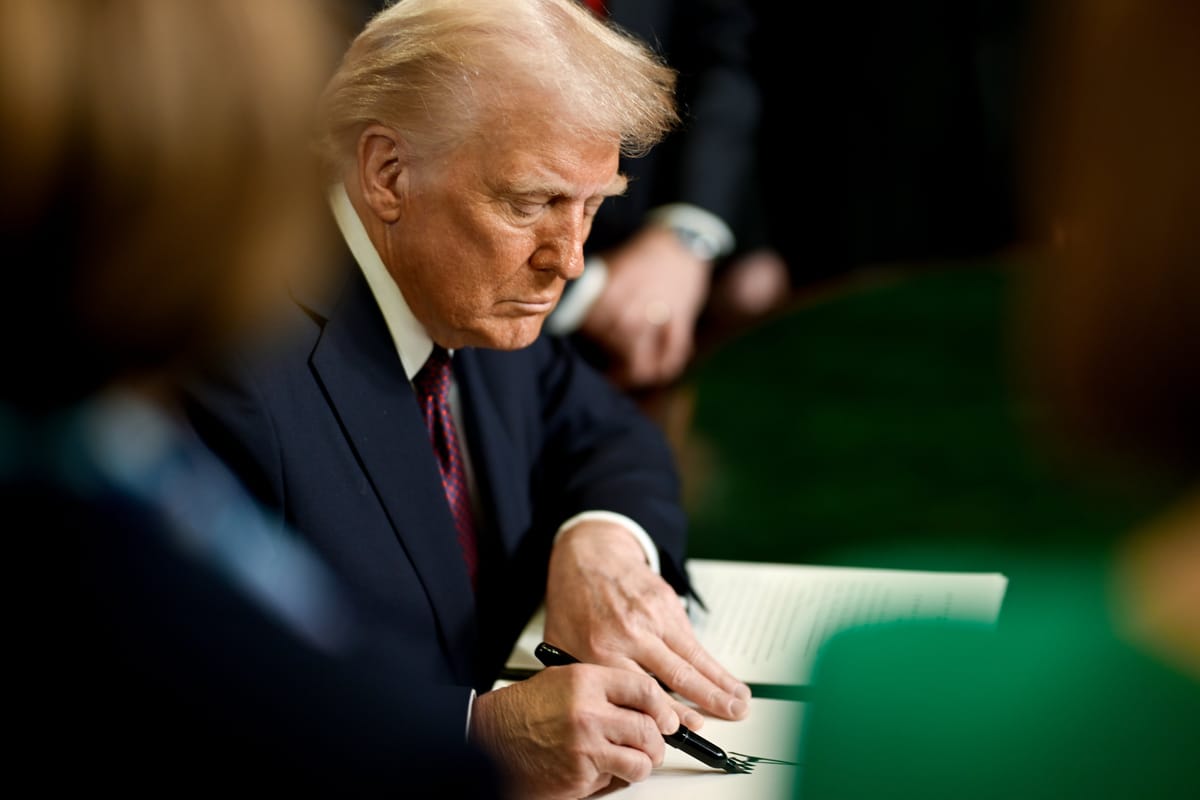
 Marianne Dhenin