Your 5 Favorite Stories of 2025
A look back on this year's most-read pieces, with some behind-the-scenes insights and hints at what's coming next.
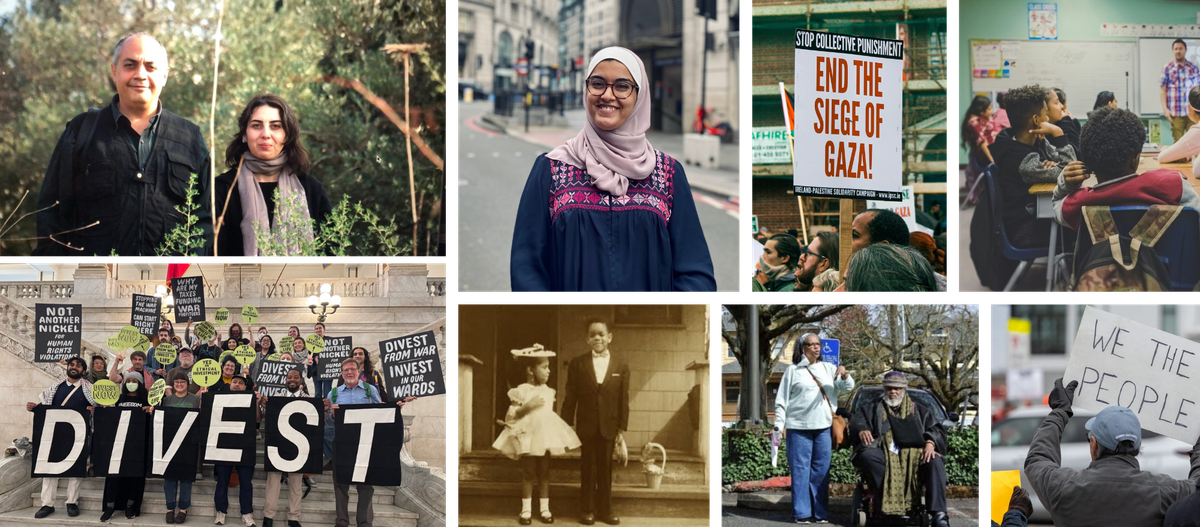
Paid subscribers make my reporting possible. Consider joining them:
It’s been a tough year. To look back on it, this week’s newsletter is coming to you on a Monday with a round-up of my most-read stories. Plus, I’m including some behind-the-scenes tidbits on reporting these and some details on what I have lined up for next year. I’ll be back to regular Wednesday posts on January 7, 2026.
First, this year’s most-read piece came out just weeks ago:
 Marianne Dhenin
I have been reporting on attacks on public education both from MAGA forces and Zionist-aligned Democrats for a couple of years now, including repeated efforts to undermine California’s Assembly Bill 101 of 2021. That bill mandated ethnic studies courses in public schools. This year, the legislative coalition that’s been gunning for a takedown for years passed AB 715 — and the thing’s a mess. It expands the state’s authority to ban instructional material in K-12 schools based on ill-defined standards. I covered the coalition that is fighting to roll it back. For more, here’s an interview I did about the story on Rising Up With Sonali, along with a quick video explainer on Instagram and TikTok. I’ll have more of those in the new year, so follow those accounts if you’re into video!
I will also have more reporting on these kinds of attacks on public education next year, based on months-old public records requests that are just now starting to bear fruit — stay tuned! You can also make a one-time donation to help me cover the costs of those requests; when legislators or public agencies don’t want to give up their supposed-to-be public records, they charge a pretty penny for them and are allowed to do so. I seek media exemptions but end up coughing up the fees more often than I’d like.
Second, we have my favorite installment thus far in my series of interviews with climate advocates working in the Middle East and North Africa:
 Marianne Dhenin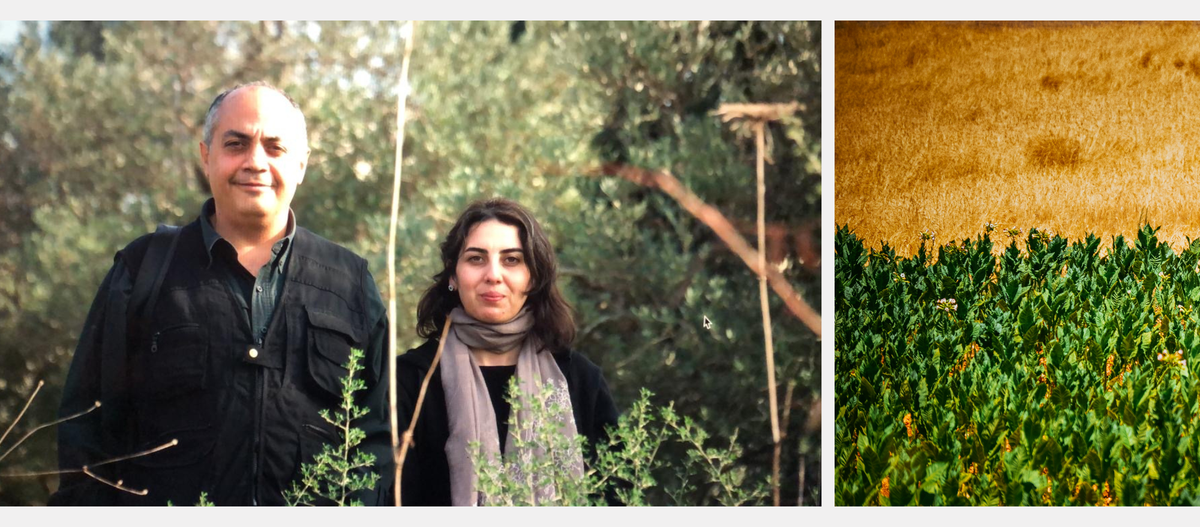
I’m thrilled readers loved this one as much as I did. Bashar Abu Saifan and Sara Salloum of Lebanon’s Agrimovement joined me to talk about farmworker organizing, Israel’s attacks on agriculture, and the meaning of solidarity. This comes as a concerning draft law on seeds in Lebanon moves forward, which Salloum warns in the interview would systematically marginalize the country’s small holders by favoring industrial seeds and creating a cycle of dependency, debt, and seed monopolies. For more on Israel and other foreign governments’ weaponization of food in Lebanon and Palestine, check out this piece on water apartheid and this short video interview with Razan Zuayter of the Arab Group for the Protection of Nature on Instagram and TikTok.
Third, there’s this piece on how racial justice organizers are offering truth-based curricula to their communities as governments work to restrict and whitewash what’s taught in social studies and history classrooms:
 Marianne Dhenin
It doesn’t surprise me that my education reporting fared well this year because I know there are more than a handful of teachers on my subscriber list. On that note, if you’re weathering attacks in your classroom or seeing a concerning proposal moving through your local or state legislature, drop me an e-mail.
This story originally appeared in Yes! Magazine before it shuttered in June. As the independent media ecosystem shrinks and rates for writers decline, building up my subscriber base ensures I can continue doing reporting like this.
Fourth on the list is my interview with Mariam Zaqout, a water and economics researcher at University College London:
 Marianne Dhenin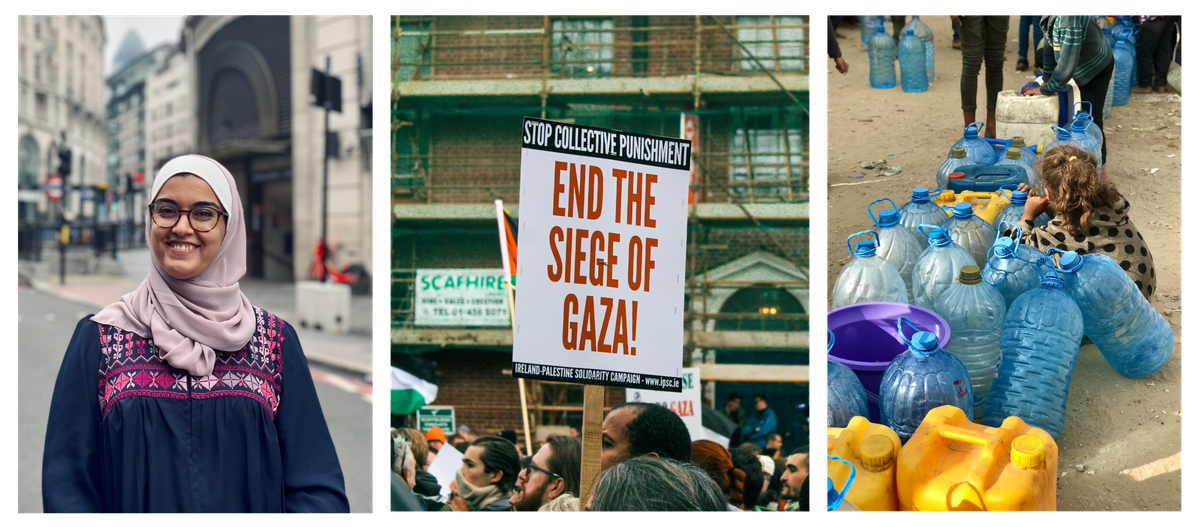
We spoke about the politics of Palestine’s water crisis, why significant foreign investment has failed to solve the problem, and why any efforts to rebuild Gaza’s infrastructure must be Palestinian-led and informed by past failures. I encourage you to revisit Zaqout’s insights as foreign nations and corporations vie to develop Gaza as Donald Trump’s so-called Riviera of the Middle East. Of course, I’ll continue covering Palestine next year. For past coverage, also check out this piece on the assassinations of journalists in Gaza or this one on the people’s tribunal that, in September, found Israel and Western governments guilty of genocide and ecocide in Gaza.
Fifth, we have the story of a historic settlement that returns $8.5 million and land to Black families displaced by a decades-old redevelopment scheme in Portland, Oregon’s Central Albina neighborhood:
 Marianne Dhenin
This story first appeared in Next City and was reprinted by dozens of local papers across the country in towns I've never even heard of. I’m thrilled it interested so many readers and hope the legal win will set a precedent for cities nationwide — something else I’ll be watching for next year. With a firehose of bad news coming at us from the federal government, I love covering local wins. Here’s another quick one I wrote up this year: In November, St. Louis, Missouri, became the largest city in the nation to pass an ethical investment resolution, committing to divesting city funds from corporations complicit in human rights violations. I also have a video explainer of this one up on Instagram and TikTok.
There you have it. Thanks for being here through my first six months. Here’s to the next six, with even more original reporting on community organizing, climate change, disability justice, and more, in line with the vision I outlined back in June.
Yours, in solidarity,
Marianne